



Curriculum Overview
Purpose
- Create consistency in curriculum delivery by identifying effective research-based instructional practices that will be implemented throughout Rosamond School to foster a safe and diverse community.
- Helps teachers design and deliver inclusive lessons that address the diverse needs of all learners
- Outline the role assessment plays in enhancing student achievement
- Develop a shared understanding of a common vocabulary about teaching and learning
At Rosamond, we are committed to fostering a supportive and inclusive learning environment using evidence-based teaching practices that put students at the centre of their own learning. Our Instruction Framework sets out the standard structure of a lesson at Rosamond.
This preamble sets out how the Instructional Framework links to the:
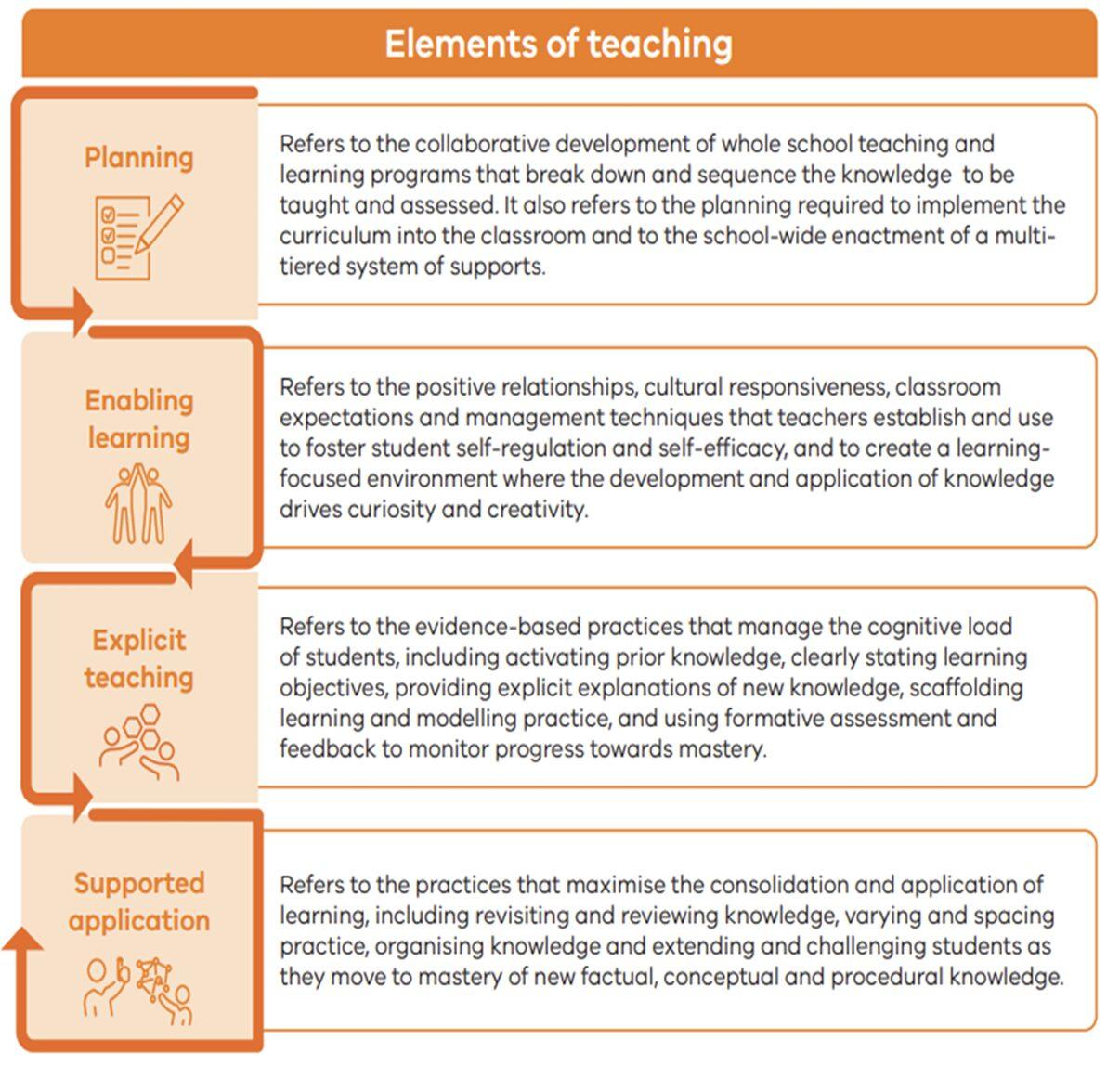
- Victorian Teaching and Learning Model 2.0
- HITS – High Impact Teaching Strategies
- HWIS – High Impact Wellbeing Strategies
This framework aims to equip students with the knowledge and skills to become emotionally regulated, confident, resilient, and independent learners. The framework creates a consistent approach and structure for Teaching and Learning.
Rosamond Instructional Framework
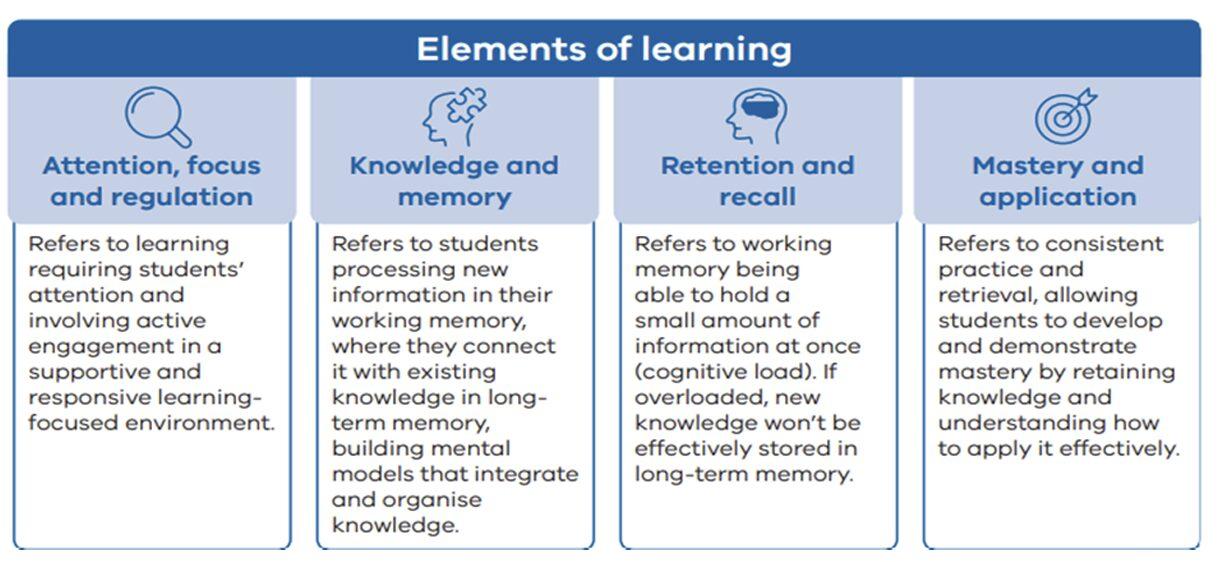
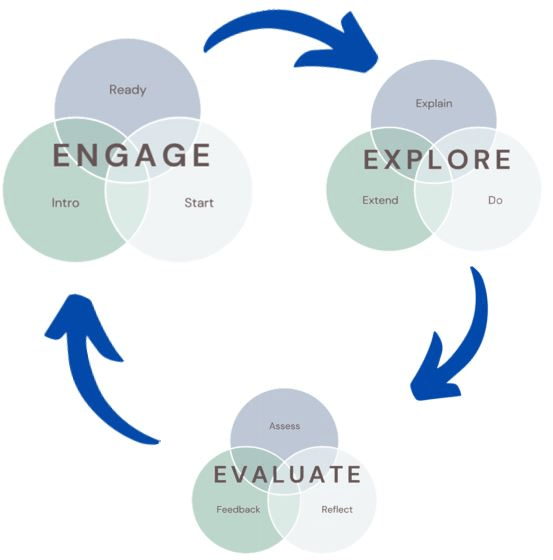
Rosamond Adapted E3 Model
Engage Requiring attention and engagement.
- Foster positive relationships between students, enhancing learning and interaction.
- Stimulate interest, curiosity, questioning, and forming connections to real-world applications.
- Make connections to prior learning, engaging students’ prior knowledge.
- Learning goals, performance requirements, and challenges are determined.
- Students actively participate in their learning, maximizing outcomes for all.
Explore Integrate and organise knowledge.
- Foster positive relationships between students, enhancing learning and interaction.
- Stimulate interest, curiosity, questioning, and forming connections to real-world applications.
- Make connections to prior learning, engaging students’ prior knowledge.
- Learning goals, performance requirements, and challenges are determined.
- Students actively participate in their learning, maximizing outcomes for all.
Evaluate, Assess, Reflect, Feedback
- Positive relations and share expectations for learning and interacting.
- Stimulate interest/ curiosity, promote questioning, connect to real world experiences.
- Elicit prior knowledge.
- Present a purpose for learning.
- Determine challenging learning goals, making assessment and performance requirements clear.
- Assist students to consider/identify processes to support achieving their goals