



Specialist Subjects
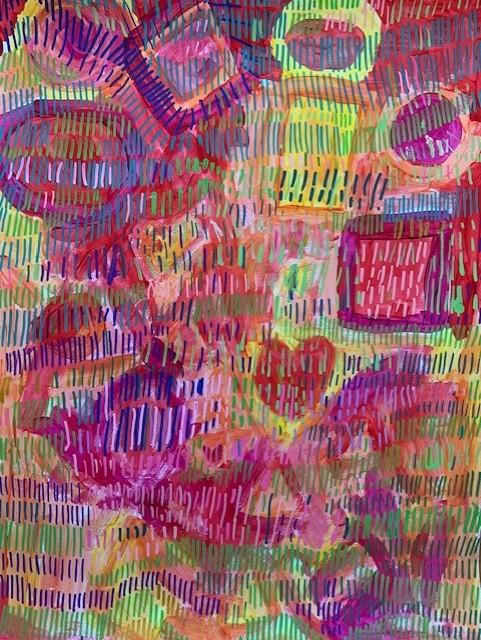
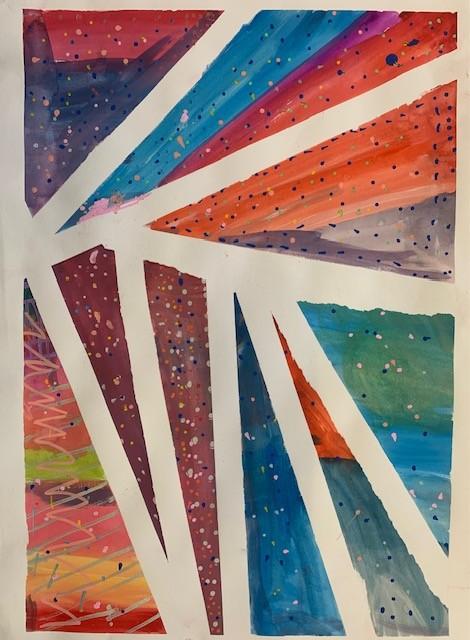
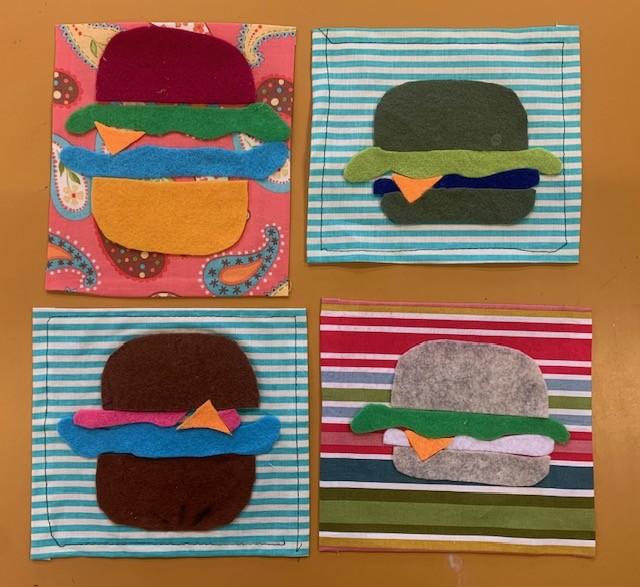
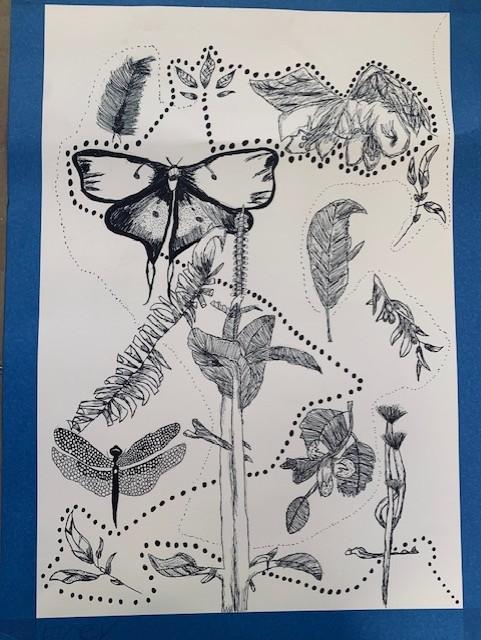
Visual Art
Visual Arts -The Creative Journey: From First Steps to Future Careers
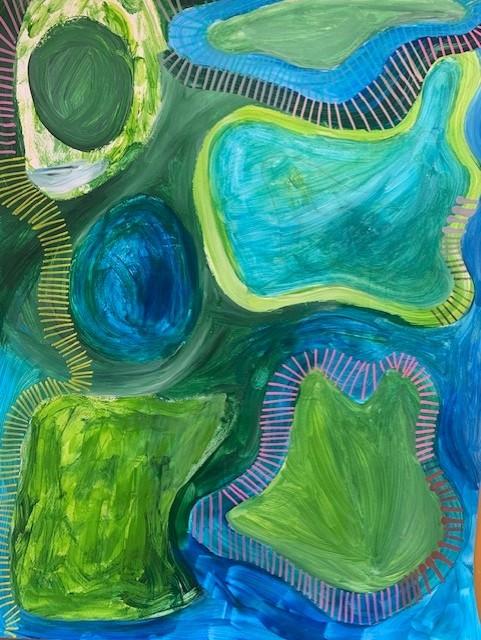
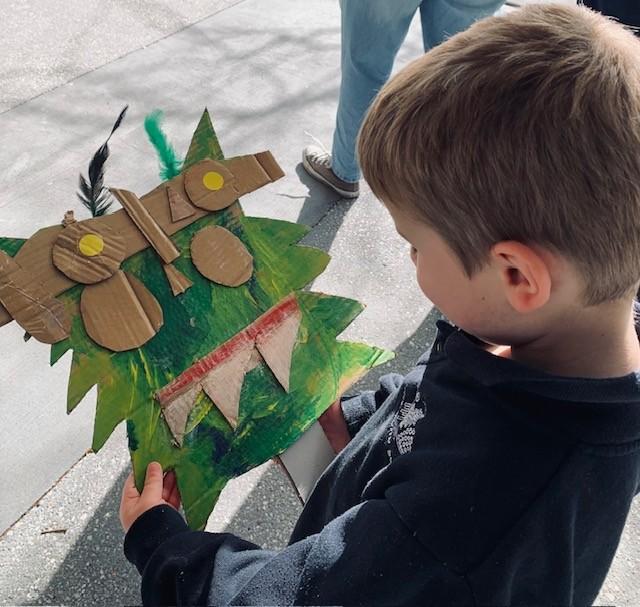
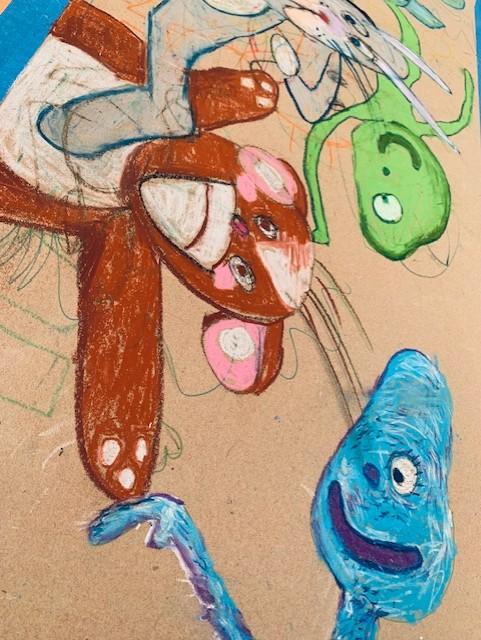
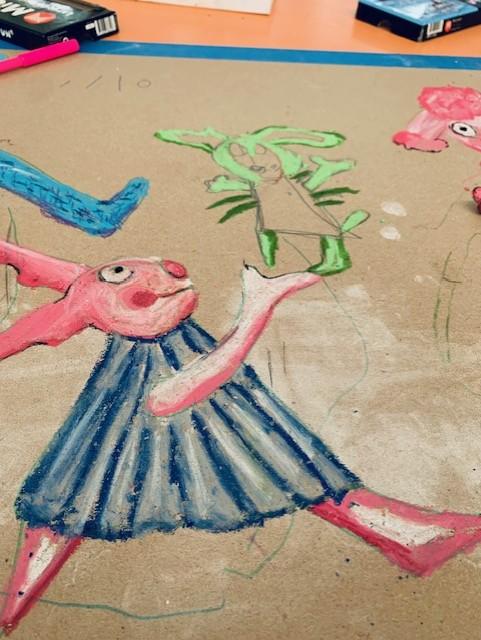
From the very beginning, every student curates a personal visual diary. This is their creative laboratory—a sacred space to experiment with wet and dry media, tracking their evolution from curious beginners to developing their own unique style with technical and conceptual competence.
Rosamond offers a flexible, student-centred environment where learners set their own pace and entry level. Students choose to work independently or in collaborative practice, we adjust the program to meet them where they are at:
The Early Years: focus heavily on sensory, experiential play, wrapping students in predictable foundation routines that make exploring safe and fun.
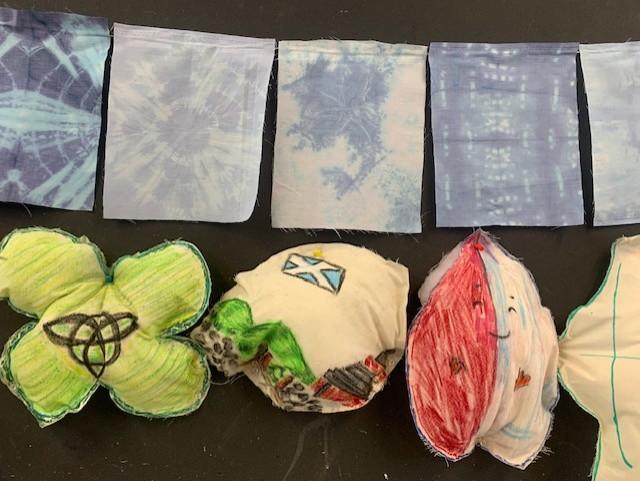
The Middle – Secondary Years: enjoy engagement with arts processes, exploring creative expression through exposure to a broad variety of art techniques. They develop skills, share ideas and learn about the diversity and context of the world through the study of artists using artworks for inspiration for their own practices.
Senior Secondary Level: are invited to turn a passion into a potential profession. Students can choose to explore industry possibilities undertaking modules of VET Certificate II in Visual Arts. At this level, students pitch their own concepts, move through planning processes and build a folio of work, gaining insight into the professional art industry. Rosamond showcases art on site, in exhibitions and through engagement with Industry connections and partnership
The Art program embraces digital technologies and has access to digital cameras, laptops and iPads. The students are given the opportunity to learn to use a range of equipment relevant to the Art discipline in which they are working and are encouraged to discuss their work with their teachers and peers.
Gallery
Physical Education
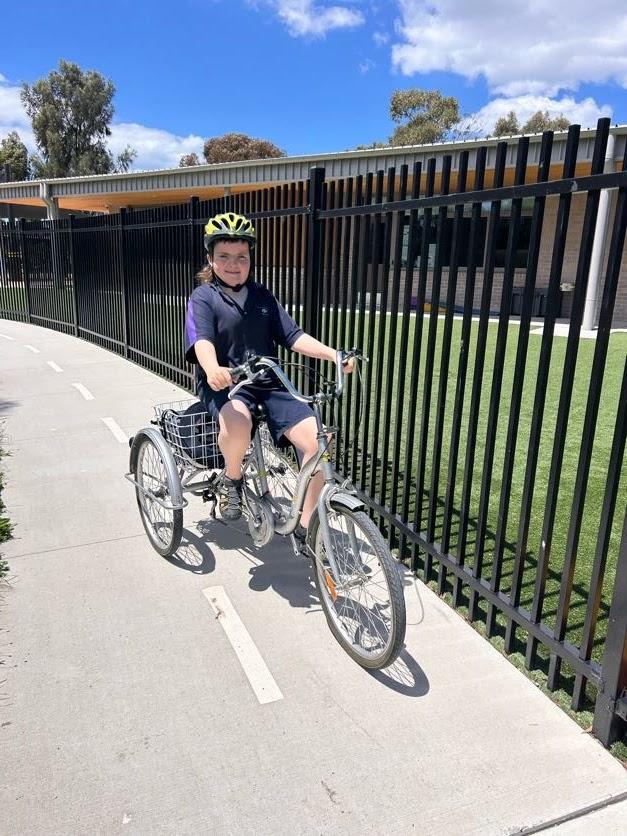
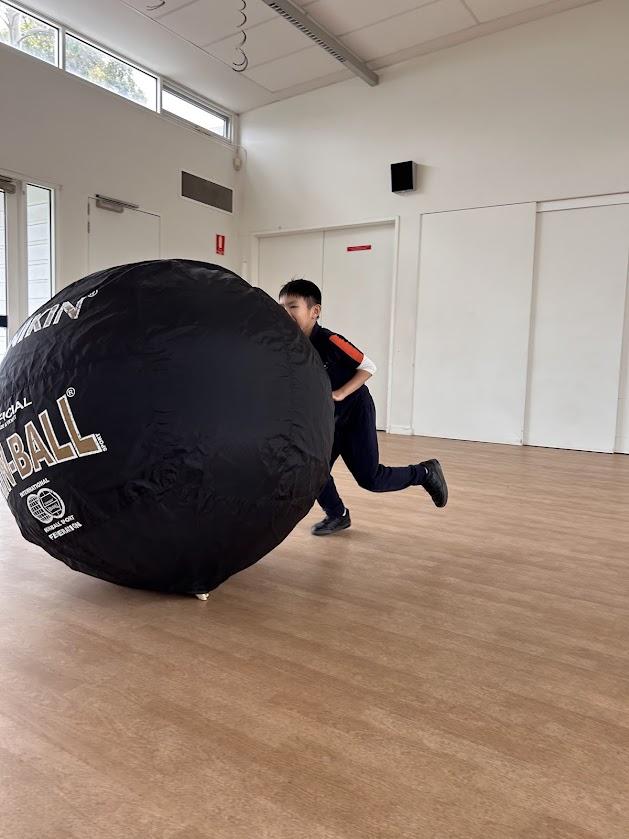
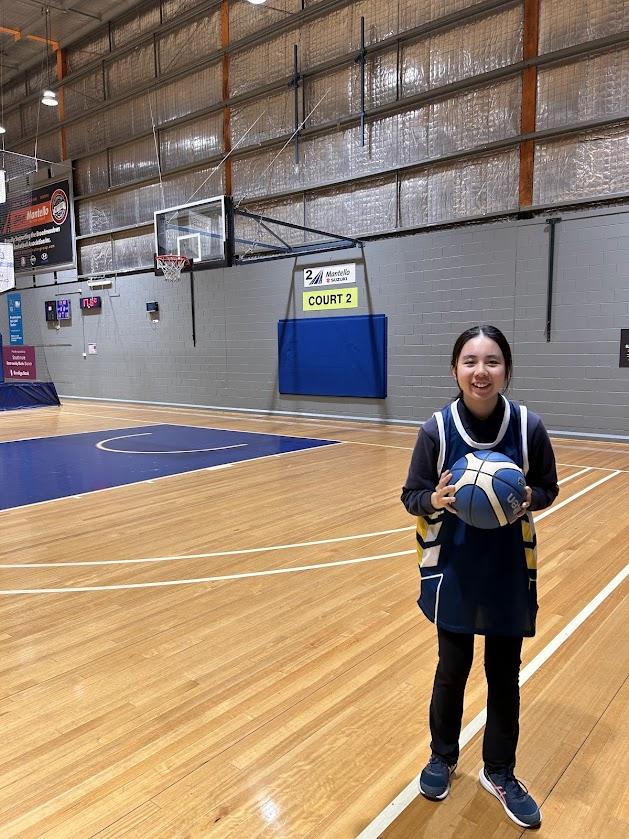
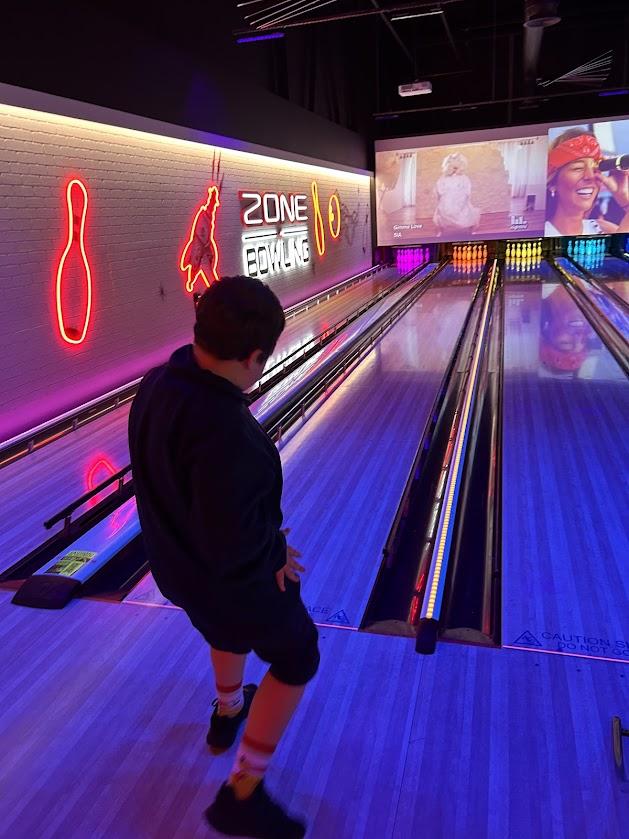
Our Physical Education program is designed to meet every student where they are at — building confidence and love of movement in a supportive and inclusive environment. We believe that physical activity is for everyone, and that the right entry point looks different for every learner. Our program reflects that belief at every level, from first explorations through to structured sport, ensuring students feel safe, motivated, and proud of what their bodies can do.
Play, discovery and exploration
Students begin their learning through independent play and guided exploration, giving them the freedom to engage with movement at their own pace and in ways that feel natural to them. This approach helps students build curiosity and body awareness before progressing to more structured activities.
Skills for every stage
Skills and activities are matched to each student’s developmental level, ensuring learning is meaningful, achievable and appropriately challenging. Lessons are planned to build on what students already know, introducing movement skills in a sequence that supports growth.
Sport and competition
Students ready to take on greater challenges can participate in structured sport programs and interschool competitions, building teamwork, resilience, and a sense of community. These opportunities allow students to represent their school, develop sportsmanship, and experience the rewards that come with dedication and practise.
Water safety and swimming
All students have access to water safety and swimming sessions, delivered through our on-site splash space as well as community and public pool programs. These sessions develop essential life skills alongside physical fitness, giving students the knowledge and confidence to stay safe in and around water throughout their lives.
Performing Arts Dance
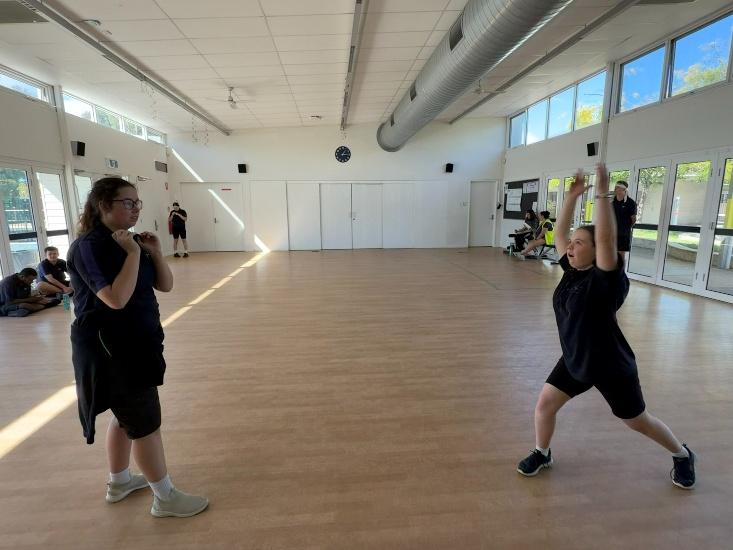
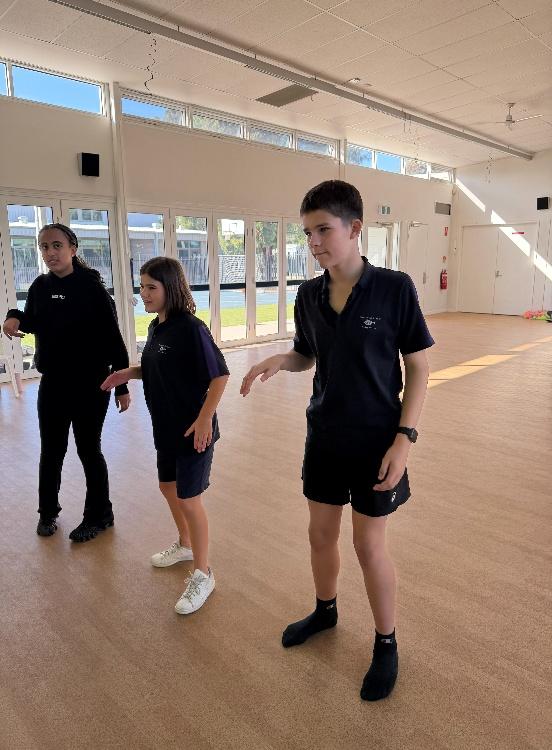
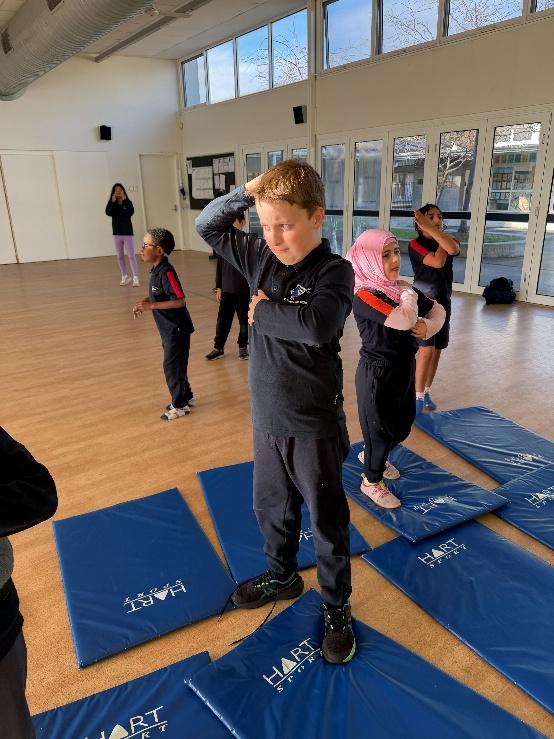
Students actively participate in a range of engaging dance and movement experiences that support their physical, creative and social development. Students explore different body parts and learn to recognise and move them in response to music, rhythms, themes and beats. Through music and movement activities, students develop body awareness while expressing themselves through dance.
Students practise a variety of fundamental movement skills, including reaching, stretching, balancing, turning and travelling through space. They explore both locomotor movements, such as walking, running and jumping, and non-locomotor movements, including bending, twisting and balancing. Through structured dance routines and movement sequences, students develop coordination, confidence and an understanding of how movements can be combined to create meaningful performances.
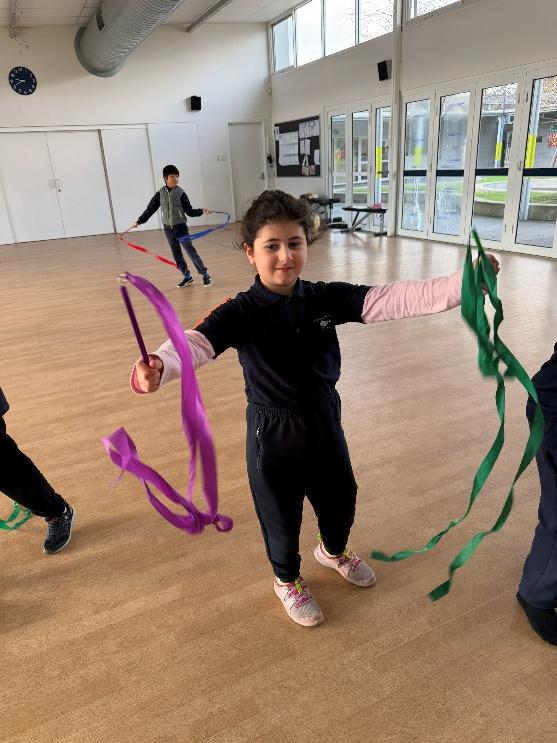
A variety of props, including scarves, hoops, ribbons and balls, are incorporated into lessons to encourage creativity and imagination. Students use these props to represent different animals, objects and ideas through movement. They explore how dance can communicate feelings, stories and concepts, such as gliding like a bird, floating like a cloud, or moving like different animals.
Students explore dances from different cultures and traditions, developing an appreciation for the diversity of artistic expression worldwide. Through these experiences, they learn about cultural celebrations, storytelling, and the important role dance plays in communities.
Performing Arts Drama & Music
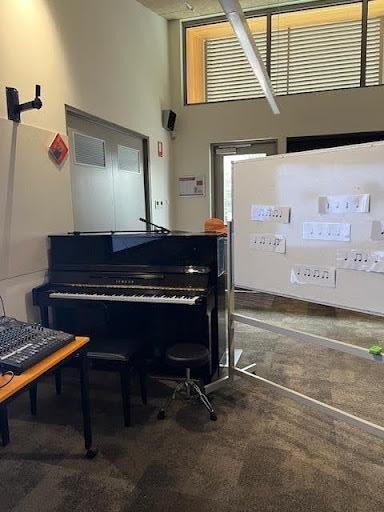
The use of a microphone has assisted with their self-confidence and all components of speech. They enjoy reading affirmations posted on the whiteboard and following through with a style that embraces varied accents and language use. The wide range of videoed performances, such as those on Britain’s Got Talent and America’s Got Talent, demonstrates characteristics that both performers and audience members can either relate to or learn from.
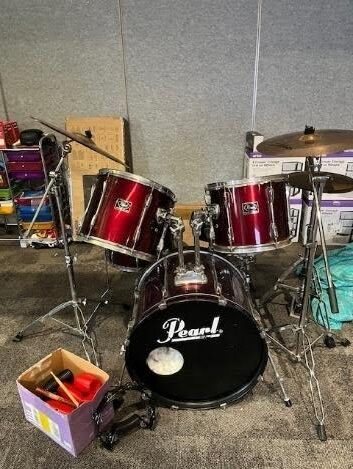
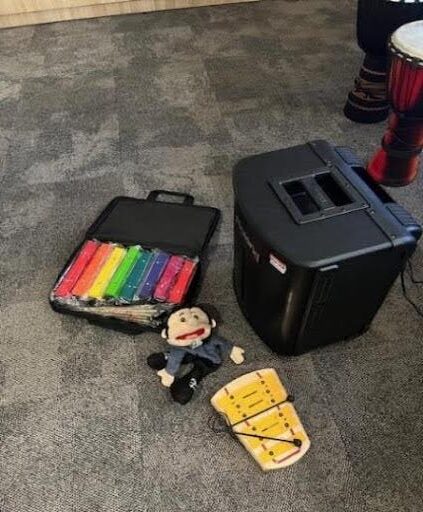
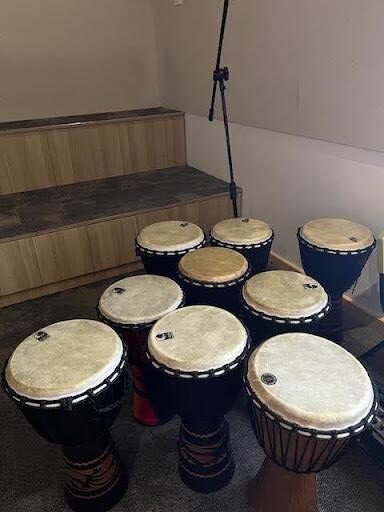
Performances are extensive and serve to broaden their knowledge bank to a variety of acts that are out of the ordinary, particularly ones that demonstrate artists with physical or language restrictions who master their craft. Exposure to various musical genres and videoed performances assists with their song choices and drumming ensemble. Hence building on their music repertoire and connection to rhythm and expression, while experimenting with bongo drums. This is complemented by an assortment of instruments and associated methods that work towards broadening their practical know-how.
Performing Arts is a vehicle that consistently heightens self-awareness of their importance in life, as well as for those who care for them.
Global Citizenship
The subject is built around the idea that everyone can make a difference. Students explore how even small everyday actions can have positive or negative impacts on others and on the environment. By examining real-world issues and solutions, they learn that being a global citizen means taking responsibility for the choices we make and understanding how those choices contribute to the wellbeing of people and the planet.
Sustainability is a key focus throughout the program. Students investigate environmental challenges such as waste, resource use, biodiversity, climate change, and habitat conservation. They develop practical skills and knowledge that empower them to take meaningful action within their school and local community. Through activities such as environmental audits, waste-reduction initiatives, gardening projects, and sustainability campaigns, students learn how positive change can begin at the local level while contributing to broader global goals.
Global Citizenship has strong links with environmental education organisations and community partners, including “Resource Smart Schools”, “Victorian Sustainability Education Program and Environment Education Victoria”, “Victorian environmental education organisation”, CERES Community Environment Park”, “Melbourne Environmental Education Centre”. These partnerships provide students with authentic opportunities to connect their classroom learning to real-world environmental and community issues.
Students also develop geographical knowledge and cultural understanding through the study of countries, cultures, environments, and communities worldwide. They explore similarities and differences between people and places, developing empathy, respect, and an appreciation of diversity. By examining global issues from multiple perspectives, students gain a deeper understanding of the challenges and opportunities faced by different communities, as well as the importance of cooperation in addressing shared concerns.
Indigenous studies form an important part of the curriculum. Students learn about Aboriginal and Torres Strait Islander histories, cultures, perspectives, and knowledge systems, with particular attention given to connections with Country, sustainability, and community responsibility. This learning encourages students to value First Nations knowledge and understand its ongoing relevance in contemporary Australia.
To enrich student learning, the program regularly incorporates incursions, excursions, and practical experiences. Activities such as wildlife and conservation presentations from organisations like “Reptile Encounters” and “Australian Wildlife Education Organisation” provide engaging opportunities for students to connect with environmental and scientific concepts in meaningful ways.
Global Citizenship encourages students to become curious, informed, and active participants in society. By developing critical thinking skills, environmental awareness, cultural understanding, and a sense of social responsibility, students gain the knowledge, values, and confidence to make positive contributions to their communities and the wider world.
